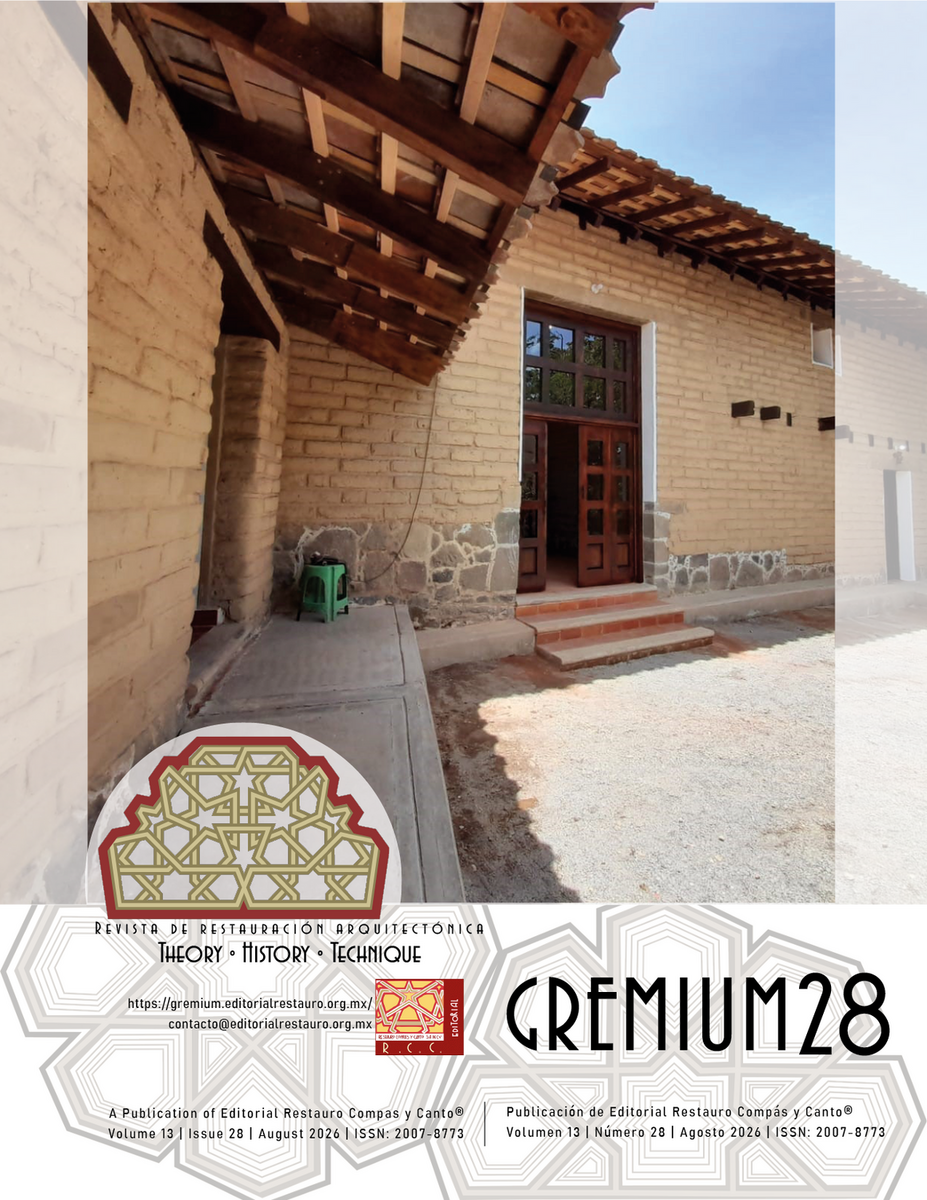
Transformations of vernacular heritage in Sinincay: Challenges for conservation in a peri-urban context
DOI:
https://doi.org/10.56039/rgn28a02Keywords:
vernacular architecture, heritage conservation, peri-urban developmentAbstract
Peri-urban growth in Sinincay, Cuenca (Ecuador), has significantly transformed the local vernacular architecture, threatening its authenticity and conservation. This methodological study aimed to characterize the current condition of vernacular buildings and assess the impact of contemporary materials. The research applied a mixed-method approach using visual record forms and photographic documentation to analyze a representative sample of buildings selected based on authenticity, conservation status, and the use of traditional materials. Findings reveal that most structures are in regular condition, with medium heritage value and a progressive loss of vernacular elements, particularly in carpentry and roofs. A gradual substitution of traditional materials by those with moderate or severe impact was identified, affecting the morphological coherence of the built environment. The replicable methodology included a chromatic coding system to visually map degrees of transformation, supporting the identification of conservation priorities. The study highlights the need for integrating differentiated conservation strategies into territorial planning, with an emphasis on sustainability and community involvement to preserve the vernacular character of the built environment.
Downloads
Downloads
Published
Issue
Section
License
Copyright (c) 2026 Gremium

This work is licensed under a Creative Commons Attribution-NonCommercial-NoDerivatives 4.0 International License.
How to Cite